To create a silhouette first off you need a subject, something thats preferably distinctive and has a cool shape about it, then position your subject or make sure you're taking the photo looking towards the light source, without flash firing you will need to almost trick your camera into exposing the wrong thing, so focus your camera on the brightest light in the picture and hold it down half way. then move it back to your subject with your finger still half way down on the shutter and it should come out the subject all black and the background lit up.

This image was taken by Saravut Whanset.
Reflectors are used to manipulate light by providing another surface for light to bounce off, it is mainly used in portrait photography as its main purpose is the fix shadows in the photos, If the light is directly behind the subject, using a reflector directly in front of the subject will help prevent a silhouette.

The time of day can affect the photographs you take because lighting shadows and colours can all be different throughout the day. For example in the morning the sun is not shining directly overhead which means light is diffused and most likely coming from all directions. This helps your subject have even more light and have a better overall exposure because the contrast between the dark and light areas aren't the same unlike what happens later on in the day.
The morning light can enhance the vibrancy and colors of your images but later in the day there’s higher contrast between dark and light areas. and for sharper shadows and more available light its better to shoot later in the day.
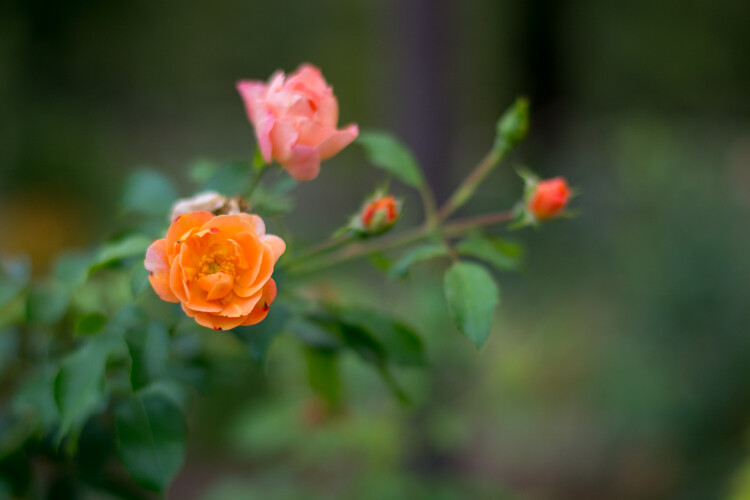
This was taken at 7:30am in the morning

This is the same flower picture but at 1:45pm
As you can see the two pictures are different in colour and vibrancy. the first one the orange colours are more vibrant and stand out more, the shadows in the later picture you can see that the shadows are more harsh made from the leaves.
Depth of field is the distance between the nearest and furthest objects giving a focused image.
The bigger f number on your camera which is a smaller aperture means that you will get a larger depth of field, e.g if the aperture is at f11 then the depth of field is larger whereas if i the aperture is at f2.8 the depth of field is smaller. If the depth of field is smaller then the area at which will appear focused on your image will be a lot shorter so to focus the full subject then the aperture will have to be a smaller f stop.
Maximum depth of field is when the full subject,foreground and background are in focus, you achieve this by focusing on the middle point or the hyperfocal distance instead of the infinity point and use a small aperture and a wide angle lens will help you achieve the photo.

This diagram for depth of field shows how it works, the smaller aperture number or f stop means the smaller the depth of field so in the diagram the aperture is at f/2.8 and the depth of field just focuses on the animal on the box whereas the aperture at f/5.6 is showing the two animals in focus, then the final aperture at f/11 shows the full image in focus.
In photography lighting is key and understanding lighting will mean the shots you take are better because you will have the right lighting for ever situation. There are three types of lighting in photography, natural which is light made from natural sources like the sun the stars and the moon. this can affect your photographs because depending on where the sun is in the day it can effect the shadows on your subject, with direct sunlight the contrast on the subject will be higher and it will have a warmer look, whereas if the sunlight is diffused then it will have a low contrast and it will have a cooler look to it meaning the colours will be darker and not as vibrant.
Artificial light is light made by humans like fires candles and electrical light is a form of artificial light such as street lights and torch lights.
Ambient light is the 3rd type of light, this is the man made background light all around us, it is used to soften any contrast brightly lit areas and their surroundings.

in the image on the left the the subjects face is barely visible due to the light in the background creating a slight silhouette so the fill in flash is used to lighten up the subject so it has an overall contrast.

No comments:
Post a Comment